Built-in cabinets vs ready-made furniture: which is better value and right for your home
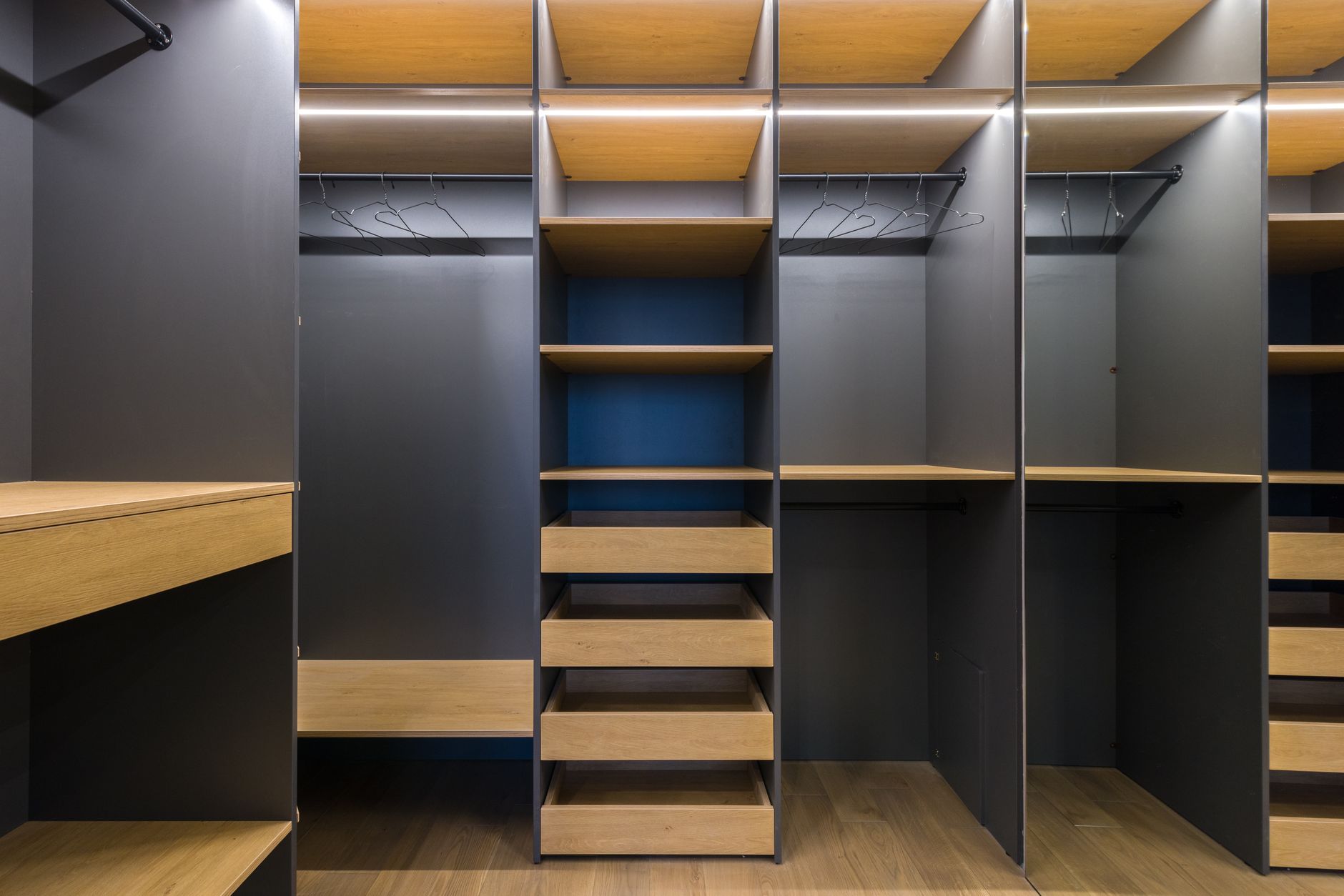
When it's time to furnish a new home or renovate a room, one decision that gives many homeowners a headache is choosing storage furniture, especially 'wardrobes' or 'display cabinets' — should you have them built in to fit perfectly, or buy ready-made (loose) furniture? This article goes into the pros and cons so you can choose once and get the best value.
Built-in cabinets in depth: seamless looks and every square inch put to use
Built-in cabinets are furniture designed and installed to be fixed to the structure of the house. Their biggest strength is a seamless look : they can fit into corners or run right up to the ceiling, leaving no gaps behind for dust and giving you much more storage. They're ideal for small rooms or rooms with awkward angles. The downsides are a higher price, an installation that takes time, and no way to move them if you want to change things in the future.
Ready-made cabinets in depth: easy on the budget and easy to move around
On the other hand, ready-made cabinets from ordinary showrooms stand out for convenience and easy budget control : you see the actual product before buying, put it in place and use it right away, and if you move house or rearrange the room in future, it's easy. The limitations are sizes that may not fit the space, leaving small gaps that collect dust, and budget models may be less durable than built-in work.
A 4-point checklist to decide which suits your home
- Budget: If your budget is limited, ready-made cabinets are the better fit; if you have a clear budget and want long-term value, built-in cabinets are a worthwhile investment
- How long you'll live there: if it's your own home and you plan to live there for 10 years or more, go built-in; for a condo you rent out or a rented house, ready-made is more flexible
- Shape of the space: does the room have columns, beams or a slope under the stairs? For complex spaces, built-in work hides awkward spots effectively
- Decorating style: if you want a tidy, minimal, dust-free look, choose built-in; if you like changing your home's look often, choose ready-made
Precautions and workmanship tips you should know
If you decide on built-in cabinets, the important things not to overlook are structure and safety. Large built-in installations that need drilling and fixing to walls, or hidden lighting (LED strips) inside the cabinets, should be done by specialist tradespeople only, to avoid drilling into existing wiring in the wall and to stop the cabinet structure collapsing and causing injury. Also consider moisture in concrete walls before installation, so the wood doesn't swell or grow mould in the long term.