Wiring a new house: how to plan enough sockets so you don't need messy extension leads
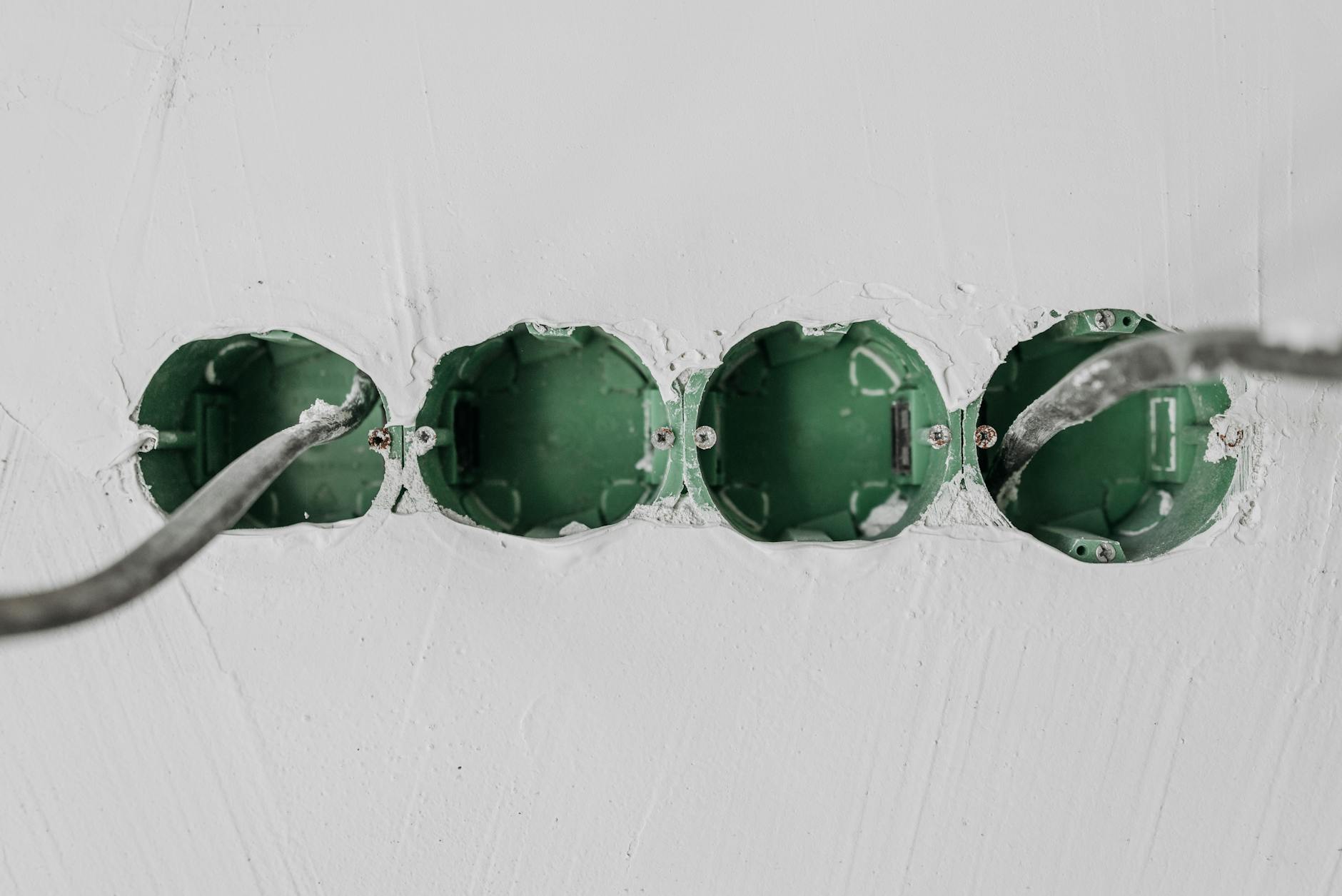
A classic problem most people building a new home run into after moving in is discovering that there aren't enough power sockets , so they end up running long extension leads all over the house. Besides looking untidy, it's a trip hazard and a short-circuit risk. Planning the positions and number of sockets right from the wiring-layout stage is something you really shouldn't overlook.
Plan sockets around how each room is used
The best way to work out how many sockets you need is to picture your lifestyle and where the furniture will actually go in each area:
- Living room: behind the TV unit, provide at least 4-6 outlets for the TV, speakers and set-top boxes, plus sockets beside the sofa for charging phones and laptops
- Kitchen: have dedicated sockets for large appliances such as the fridge and oven, plus another 2-3 sockets along the kitchen counter for a blender, kettle or air fryer
- Bedroom: put sockets on both sides of the bed for lamps and charging, and enough at the dressing table or desk
Key checklist before you fix the socket positions
Besides the number of points, the details of height and allowing for future equipment matter too:
- Set the right height: ordinary sockets are usually 30-40 cm above the floor, but a robot vacuum dock may need one lower down, and for a wall-mounted TV the socket should be hidden behind the screen at about 100-110 cm
- Use sockets with safety shutters: for the safety of everyone at home, especially with small children, choose sockets with safety shutters that stop fingers or objects being poked into the holes
- Plan for the future: don't forget sockets for CCTV cameras, a robot vacuum and an air purifier, and allow capacity in the distribution board for an EV charger at the parking space
Electrical work must be safe — have it done by specialists
You can plan the socket positions yourself, but calculating cable sizes, dividing breaker circuits and running the conduit must be done only by a professional electrician or electrical engineer , to calculate the total load so it doesn't overload, and to install a proper earthing system and residual-current device (RCD), so your new home is attractive, convenient and as safe as possible.