A guide to inspecting a house before transfer: a checklist of key points buyers must not overlook
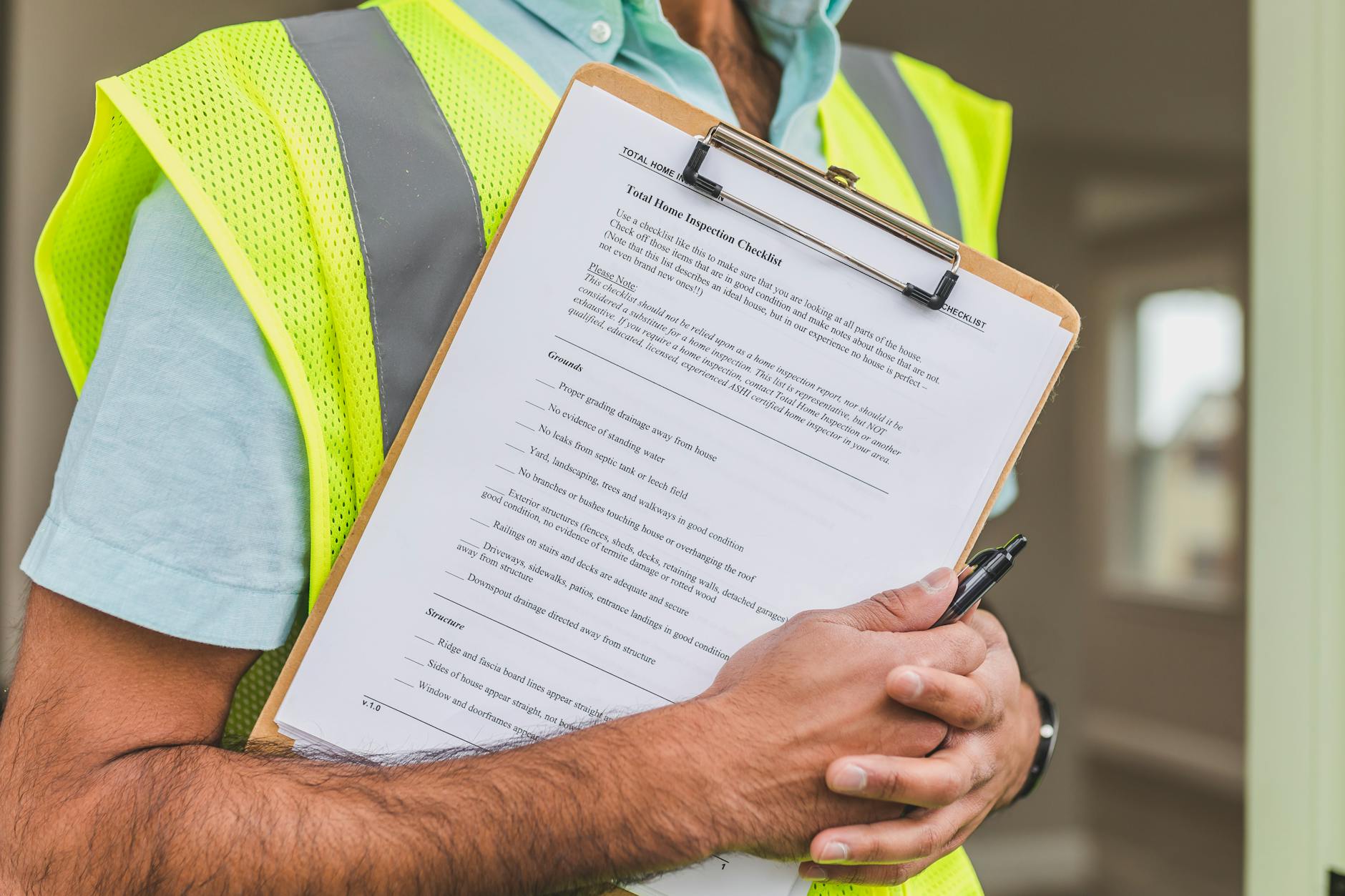
Buying a house is one of life's biggest investments, so inspecting the house before transfer is the last line of defence you need to pay special attention to. Once you've signed for the transfer of ownership, getting the developer's tradespeople back to fix things is usually difficult and slow. Being prepared and knowing the key checkpoints is the best way to protect your rights.
1. Water and sanitary systems (leak hot spots)
The water system is where problems most often appear after moving in. Start by turning on every fixture in the house to check the water pressure, then hold water in the bathrooms and on the balconies for about 1-2 hours to see whether any leaks into the ceiling below
- Flush the toilets at least 3-4 times to check that they drain freely
- Pour water on the bathroom floor to check the slope — all the water must drain away without pooling at the edges of the room
- Check under the kitchen sink and washbasins for drips at the joints
2. Walls, floors, doors and windows
Inspect the architectural work and surfaces carefully. Lightly tap every tile with a coin or a stick — a hollow sound means the tiler didn't fully bed the tile, which may crack or come loose in the future
- Open and close every door and window — none should stick, and all locks should work properly
- Look for cracks in the walls: small hairline cracks can be filled by the tradesperson, but be especially careful of diagonal cracks running from the corners of door and window frames
- Check for water stains around aluminium window frames after rain, or test with a hose
3. Electrical system and safety
Use a voltage tester screwdriver or a portable socket tester to check every socket inside and outside the house. Switch on all the lights at once and run the air conditioners to test whether the automatic cut-out works properly, and shine a torch above the ceiling to look carefully for water stains from the roof.
4. When should you call a specialist?
You can do basic checks of the architectural work yourself, but for complex systems such as high-voltage electrics, the consumer unit, earthing, the roof structure and foundation settlement, we recommend hiring an engineer or a specialist home inspector. Specialists have dedicated tools such as thermal cameras to find leaks or earth-resistance meters, which give you confidence in the safety and quality of the house before you sign the transfer.